Cold, deep water
Moberly is a cold, deep oligotrophic lake reaching about 44 m, which keeps the water clear and cool through the summer.
A large, cold, deep lake in BC's Peace region near Chetwynd, known for wild lake trout, northern pike, burbot and whitefish, with a provincial park campground, boat launch and swimming beach off Highway 29.
Region
Northern BC
Nearest town
Chetwynd
Best known for
Wild lake trout, northern pike and burbot
Resorts on lake
0 resorts
At a glance
Size, water, shoreline and the kinds of days this lake supports.
Surface area
2,851 ha
Length
Approx. 14.4 km
Max depth
44 m
Average depth
18.3 m
Elevation
697 m
Moberly is a cold, deep oligotrophic lake reaching about 44 m, which keeps the water clear and cool through the summer.
Moberly Lake Provincial Park has a gravel swimming beach with a marked area and a separate dog beach; there are no lifeguards.
The lake has enough open fetch for waterskiing and windsurfing; some launches are exposed with little protection from wind.
Boating, waterskiing, windsurfing, canoeing and kayaking are all used on Moberly Lake.
The lake freezes reliably and produces burbot and whitefish through the winter; verify current ice conditions before heading out.
A quiet northern lake off Highway 29, between Chetwynd and Hudson's Hope in BC's Peace River country.
Two Treaty 8 nations share the lake: Saulteau First Nations toward the east end and West Moberly First Nations at the west end.
This is a wild native fishery rather than a stocked trout lake, with a char, whitefish and pike community.
On the water
Moberly Lake is a wild northern fishery rather than a stocked trout lake. Anglers most often catch northern pike, burbot and lake whitefish, while the native lake trout are a prized but tightly regulated trophy under a long-running recovery program. Bull trout, Arctic grayling and mountain whitefish round out the catch. The lake is fished by boat in open water and through the ice in winter, especially for burbot and whitefish.
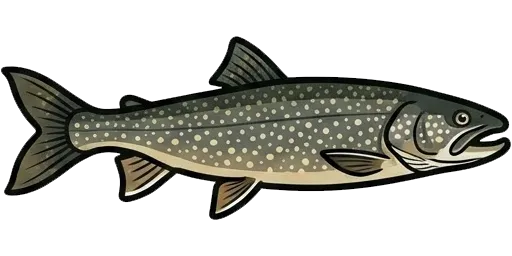
A large, cold-water char and a prized native trophy.
Look for a dark green to grey body covered in pale cream or yellowish spots, a deeply forked tail, and no pink stripe. Unlike trout, lake trout show light markings on a dark background.
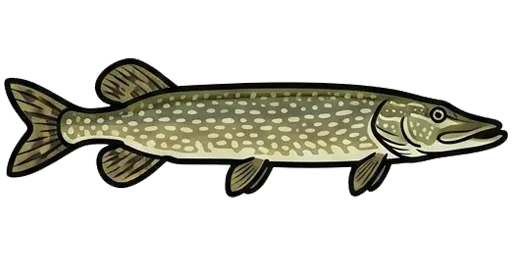
A long, toothy ambush predator that hammers baits and lures.
Look for a long, torpedo-shaped olive-green body with rows of light bean-shaped spots, a duck-bill snout, and a mouth full of sharp teeth. The dorsal fin sits far back near the tail.
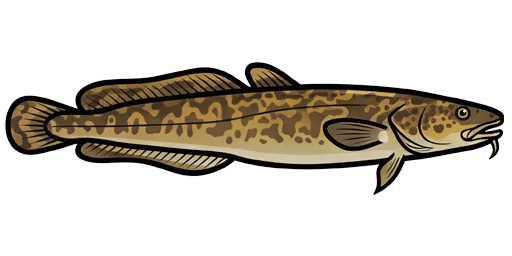
The only freshwater cod, targeted through the ice in winter.
Look for a long, eel-like brown-mottled body, a single chin barbel, and long dorsal and anal fins running back to the tail. Its slippery, snake-like look is unmistakable.
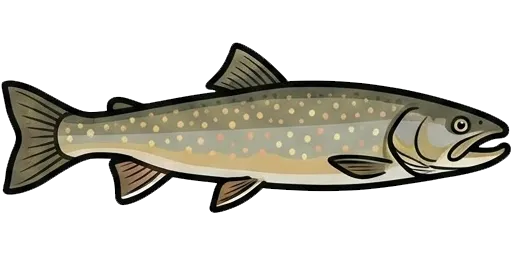
A native char - 'no black, put it back.'
Look for an olive to grey-green body with pale yellow, orange or salmon spots and no black markings on the dorsal fin. Often confused with brook trout - but brook trout show black markings and wavy lines on the back.
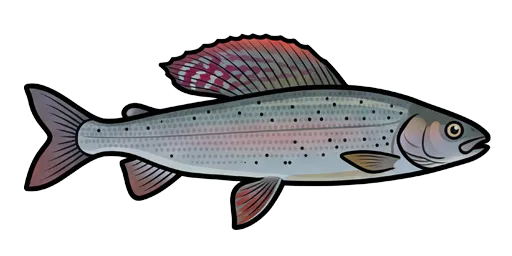
A northern sailfin prized for its tall, spotted dorsal fin.
Look for a silver-grey body with a large sail-like dorsal fin dotted with iridescent spots, a small mouth, and a slightly forked tail. Scattered dark spots mark the forward body.
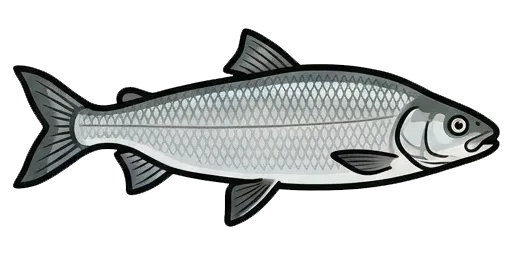
A deep-bodied whitefish that schools and takes small baits.
Look for a silvery, deep body with a small head, a blunt snout overhanging a small mouth, and a deeply forked tail. Larger and deeper-bodied than mountain whitefish.
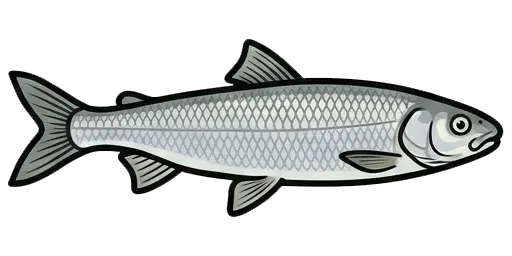
A slender native whitefish common in cold BC lakes and rivers.
Look for a slim, silvery cylindrical body with large scales, a small mouth under a rounded snout, and a forked tail. More slender and rounded than lake whitefish.
Longnose sucker and white sucker are also present as coarse fish. Note that Moberly has no rainbow trout or kokanee - the species anglers often assume for a BC trout lake.
Moberly's native lake trout collapsed and are being rebuilt through a hatchery program using the lake's own spawners. Special harvest rules apply, so check the current Peace (Region 7B) regulations before keeping any.
Pike are the most commonly caught species and are targeted in weedy bays with spoons, spinnerbaits and large flies. Use a wire or heavy leader.
Burbot (ling) are a popular winter target through the ice, taken on baited jigs fished near the bottom.
Lake whitefish and mountain whitefish are frequently caught and are good eating; small jigs and bait work well.
Open-water fishing runs through the summer, with burbot and whitefish taken through the ice in winter once the lake locks up.
Confirm current lake-trout, pike and general regulations for the Peace (Region 7B) before fishing.
South shore
The provincial park on the south shore has a double public boat launch with trailer parking, used for boating, waterskiing, windsurfing and paddling.
Some anglers note the cement launch blocks can shift and leave gaps, and one gravel launch is exposed with little protection from wind. Off-road vehicles are prohibited in the park.
North shore
A Peace River Regional District day-use park on the north shore with lake access, picnic tables, a gravel beach and a public boat launch. Check current park status before relying on the launch.
A private marina and resort on the south shore with seasonal moorage, boat rentals and dock access for registered guests.
Plan the drive
Moberly Lake sits off Highway 29 between Chetwynd and Hudson's Hope, in BC's Peace region.